How to Choose the Right Tile or Paver Thickness for Your Traffic
A simple guide to matching concrete tile and paver-block thickness to the traffic it will carry — from footpaths and courtyards to driveways, platforms and industrial yards.
Why thickness matters most
With concrete tiles and pavers, the single biggest factor in how long a surface lasts is matching the thickness (and base) to the load it carries. Too thin for the traffic and the units crack or rock; the right thickness on a proper base lasts for decades.
Floor tiles
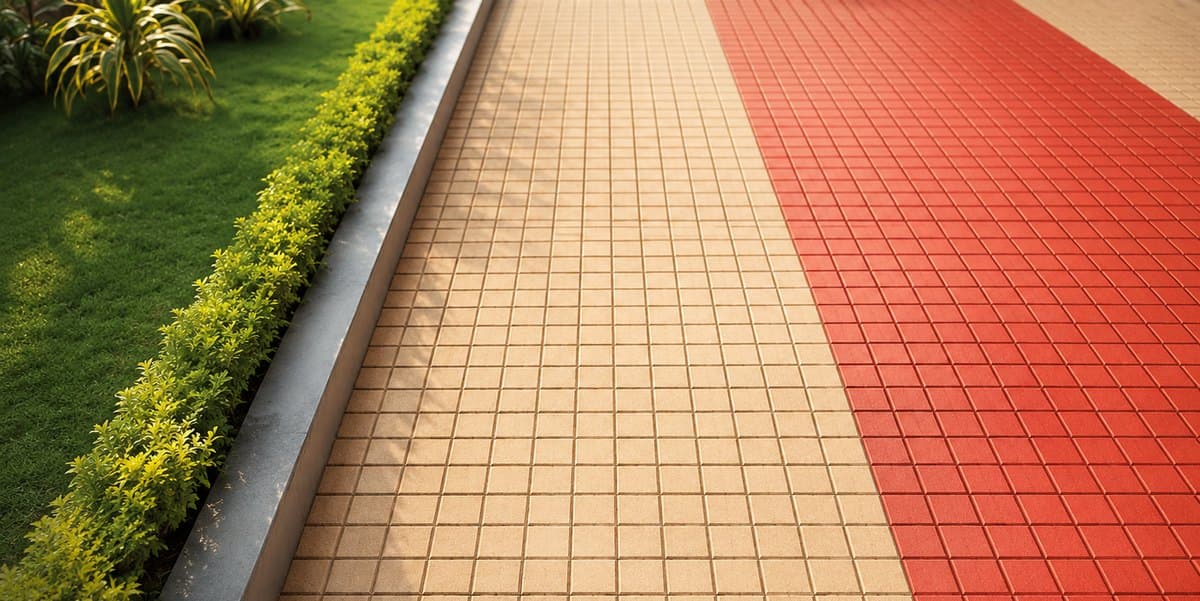
Instone concrete floor tiles come in two thicknesses. Use 25 mm for residential courtyards, terraces and lighter footpaths. Step up to 30 mm (on the chequered design) for heavy public footfall — railway platforms, bus terminals, malls and hospital approaches — where the surface takes constant traffic and trolley loads.
Tiles are mortar-set, so the level cement-sand bed beneath them matters as much as the tile itself.
Paver blocks
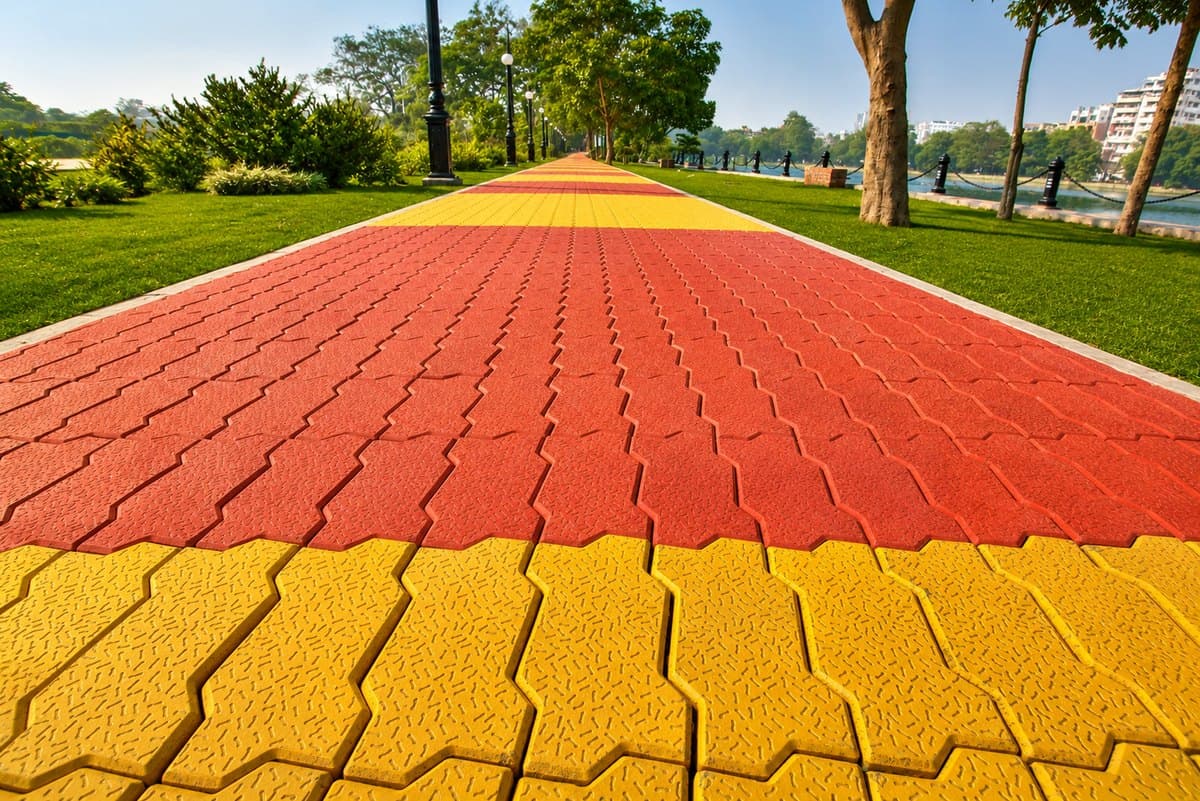
Paver blocks span a wider range — 40, 60, 80 and 100 mm — because they carry everything from foot traffic to container trucks:
40–50 mm: pedestrian-only areas — pathways, garden paving, landscaped edges.
60 mm: light vehicle traffic — residential driveways, parking bays, walkways.
80 mm: medium / shared traffic — busier driveways, commercial forecourts, light commercial roads.
100 mm: heavy-duty — industrial yards, warehouses, ports and areas with forklift, truck and container traffic.
Don't forget the base
Thickness is only half the answer — the compacted sub-base under a paver, or the level mortar bed under a tile, does the rest of the work. A thick paver on a poor base will still fail. When in doubt about your traffic, size up a thickness and build the base accordingly.
Ready to see the range?
See all tiles & pavers